Skin tightening without surgery: what actually works
By the Estetika Med Spa · · 5 min read
Skin tightening without surgery is possible. Devices that deliver radiofrequency, ultrasound, or laser energy heat the deeper layers of skin and stimulate collagen production, which gradually firms loose or lax tissue. Results develop over weeks to months and tend to last for the majority of people between one and two years, depending on the technology used and the individual's skin condition.
If you have noticed skin on your abdomen, arms, or thighs that feels looser than it used to, you may be wondering whether skin tightening without surgery can make a real difference, or whether the only option that works involves going under the knife. The short answer is that non-invasive and minimally invasive technologies can produce meaningful improvement in skin laxity for the right candidate, though they work differently from surgery and the timeline is not the same.
How non-surgical skin tightening works
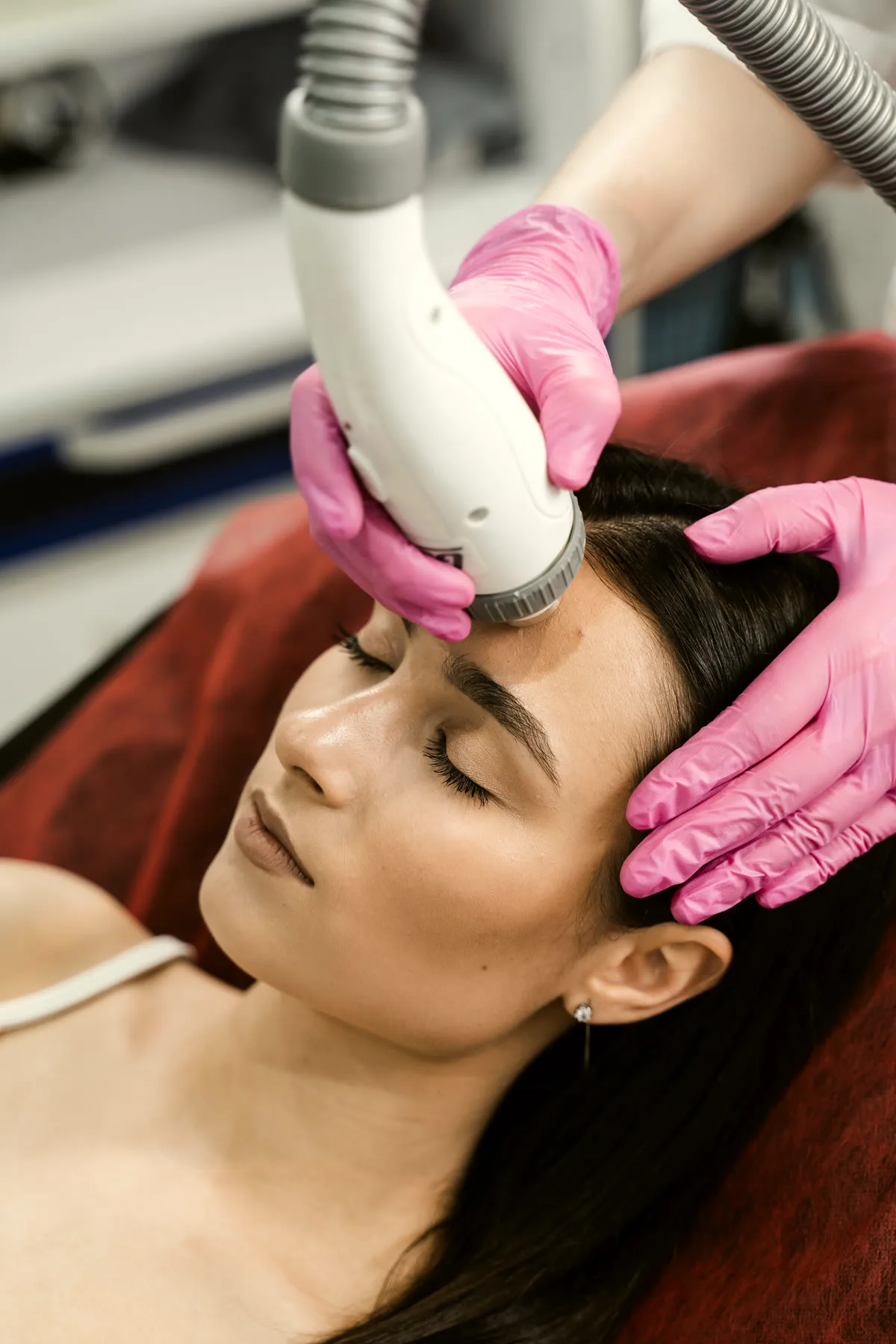
The underlying mechanism is collagen stimulation. Skin loses collagen steadily after the mid-twenties, and that loss is what makes tissue soften and sag over time. Devices that deliver controlled heat, whether through radiofrequency, focused ultrasound, or laser energy, create a controlled injury in the deeper layers of skin. The body responds by producing new collagen, and the skin gradually becomes firmer.
The treatment does not remove tissue. It changes the tissue that is already there.
This is why results develop over weeks rather than overnight. The collagen remodeling process continues for several months after each session, which means patients often see their best outcome two to three months after treatment.
Technologies used at medical spas
Several FDA-cleared platforms fall into this category. They differ in depth of penetration, the type of energy delivered, and the areas they are best suited for.
- Radiofrequency (RF): heats the dermis and subdermis to stimulate collagen and elastin. Works well on the abdomen, arms, inner thighs, and face. Generally safe across skin tones.
- Focused ultrasound: targets deeper structural layers, including the superficial muscular aponeurotic system used in surgical facelifts. Often used for neck and jawline laxity.
- Radiofrequency microneedling: combines micro-injuries with RF energy delivered directly into the dermis. Tends to produce stronger results for moderate laxity than surface RF alone.
- Laser resurfacing: addresses surface texture and mild tightening simultaneously, though it carries more downtime and greater pigmentation risk in darker skin tones.
A provider will choose based on the location being treated, the patient’s skin type, and the degree of laxity present.
What results look like, and when
Improvement is gradual. For the majority of people, visible firmness becomes apparent between four and twelve weeks after the first session, with full results around the three-month mark. According to the American Society of Plastic Surgeons, non-surgical skin tightening procedures have grown in popularity precisely because the recovery period is short compared to surgical options.
Results from a single RF or ultrasound session tend to last roughly one to two years for most patients. That is not a permanent change. Collagen production slows again after the remodeling cycle ends, and skin continues to age. Maintenance sessions, typically once a year, help sustain the outcome.
How skin tightening fits with other body treatments
Laxity and volume loss often appear together. A patient who has lost weight may notice loose skin on the abdomen alongside reduced muscle definition. In that case, skin tightening addresses the tissue quality, while a treatment like EmSculpt or CoolSculpting works on the underlying muscle or fat. Combining modalities tends to produce a more complete result than either alone.
Similarly, facial laxity is often accompanied by volume loss in the cheeks or temples. A provider might pair a tightening device with a biostimulator like Sculptra or Radiesse, which rebuilds collagen from the inside while the device works from the outside. These decisions are made individually, not by formula.
Who tends to respond well
Non-surgical skin tightening produces the strongest results in patients with mild to moderate laxity. Someone whose skin has early looseness around the jawline, mild abdominal laxity after weight fluctuation, or soft texture on the inner arms is typically a good candidate.
Age is less predictive than skin condition. A person in their forties with good skin elasticity may respond better than someone in their thirties with significantly depleted collagen. The assessment at your initial visit includes an evaluation of skin quality, not just a visual check of the area.
Who this does not suit
Skin tightening without surgery has real limits. A patient with significant excess skin, such as after major weight loss or pregnancy with pronounced diastasis recti, is unlikely to see the outcome they want from a device alone. The technology tightens existing tissue; it does not remove it. In those cases, a surgical consultation is the more honest starting point.
Patients with active skin infections, certain autoimmune conditions, or implanted electronic devices in the treatment area may not be candidates for RF-based treatment. Anyone who is pregnant should wait. The provider reviews contraindications before any session is scheduled.
Unrealistic expectations are also a limiting factor. Non-surgical options do not replicate surgical results. They produce gradual, natural-looking improvement. Patients who need a dramatic structural change and want it quickly will be better served by a surgical route.
What the session itself involves
Most non-surgical skin tightening sessions run between thirty and ninety minutes depending on the area and device. There is no incision. The handpiece moves across the skin while delivering energy, and patients feel warmth or mild pressure. Redness and swelling in the treated area typically resolve within a few hours to a day or two for the majority of patients.
Physical activity restrictions after treatment are minimal for most RF and ultrasound protocols. Laser-based treatments may require a longer avoidance of sun exposure and more careful aftercare. The provider will give specific instructions before the session ends.
Pricing varies by technology, session count, and area treated. Estetika does not publish set prices for device treatments because the right protocol depends on the individual assessment. Costs are reviewed during the consultation.
If you are weighing whether non-surgical skin tightening makes sense for your specific concern, the clearest next step is a one-on-one assessment with a provider who can look at the tissue directly. You can schedule a visit at Estetika Med Spa in Hallandale Beach to go over your options without any obligation to proceed.
Frequently asked questions
How long does skin tightening without surgery last?
For the majority of people, results from non-surgical skin tightening tend to last between one and two years. Duration varies by technology, treatment area, and how the individual's skin responds. Maintenance sessions can help sustain results over time.
Does skin tightening without surgery hurt?
Most patients describe a warming or mild prickling sensation during the procedure. Discomfort levels vary by device and treatment area. A topical numbing agent may be applied before sessions that use more intense energy delivery.
How many sessions are needed to see results?
That depends on the technology and the degree of laxity being addressed. Some devices produce noticeable change after one session; others work best as a series. The treating provider will outline a plan during the initial assessment.
Is non-surgical skin tightening safe for all skin tones?
Radiofrequency-based devices are generally considered safe across skin tones because they target tissue depth rather than pigment. Laser-based options carry more risk of pigmentation changes in darker skin. A qualified provider will select the appropriate technology after evaluating the patient's skin.
What is the difference between skin tightening and body contouring?
Skin tightening targets laxity by stimulating collagen in the dermis. Body contouring, such as CoolSculpting or EmSculpt, focuses on reducing fat or building muscle. Some patients need both, and a provider can help determine which addresses the actual concern.
Sources
- American Academy of Dermatology
- U.S. Food and Drug Administration
- American Society of Plastic Surgeons
Educational content. It does not replace a medical consultation at Estetika Med Spa.
Keep reading

Where to have it done in South Florida
Estetika is at 400 E Hallandale Beach Blvd, Hallandale Beach, Florida, 8 minutes from Aventura. Many patients also drive in from Hollywood, 11 minutes away. Consultations are in English or Spanish.