Botox in Hollywood FL: what to expect at Estetika
By the Estetika Med Spa · · 4 min read
Botox is an FDA-approved injectable that temporarily relaxes the muscles responsible for expression lines on the forehead, between the brows, and around the eyes. For most people, results tend to last three to four months before a follow-up is needed. It does not fill volume or tighten loose skin.
If you are searching for Botox in Hollywood FL, you are probably at the stage where you want real information before you book anything. You have seen the before-and-afters, you know roughly what it does, and now you want to know what the actual experience is like, who should think twice, and whether a clinic in this area is worth your time. This article covers exactly that, without the sales pitch.
What Botox actually does
Botox is an injectable made from botulinum toxin type A. When a small amount is placed into a specific muscle, it temporarily reduces that muscle’s ability to contract. The result, for most people, is a visible softening of the lines that appear when they make expressions: frown lines between the brows, horizontal forehead lines, and crow’s feet around the eyes.
It does not fill. It does not lift tissue. It works on dynamic lines, which are the ones caused by muscle movement, and it has little effect on static lines that appear even when the face is at rest.
At Estetika, the goal is a result that looks like you on a good day, not a result that looks like treatment.
How long results tend to last
For most people, effects become visible within a few days and are typically at their best around two weeks after the appointment. Duration varies by individual, but three to four months is the range most patients experience before muscle activity returns and lines begin to reappear.
Some patients find that with consistent appointments over time, they need touch-ups less frequently. That is not a promise. It is a pattern some people notice, and your injector can speak to what is realistic for your specific case.
Botox vs. Dysport: what the difference means in practice
Estetika uses both Botox and Dysport, and patients sometimes ask which one is better. The honest answer is that neither is universally superior.
| Botox | Dysport | |
|---|---|---|
| Active ingredient | Botulinum toxin type A | Botulinum toxin type A |
| Approved uses | Forehead, glabella, crow’s feet | Glabella, forehead, crow’s feet |
| Spread pattern | More localized | Slightly wider diffusion |
| Onset | Typically 3, 5 days | Often 2, 4 days |
The right choice depends on the area being treated, your anatomy, and what your injector has found works best for patients with similar concerns. Both are FDA-approved. Both are available at the clinic. The decision gets made at your consultation.
What a first appointment at Estetika looks like
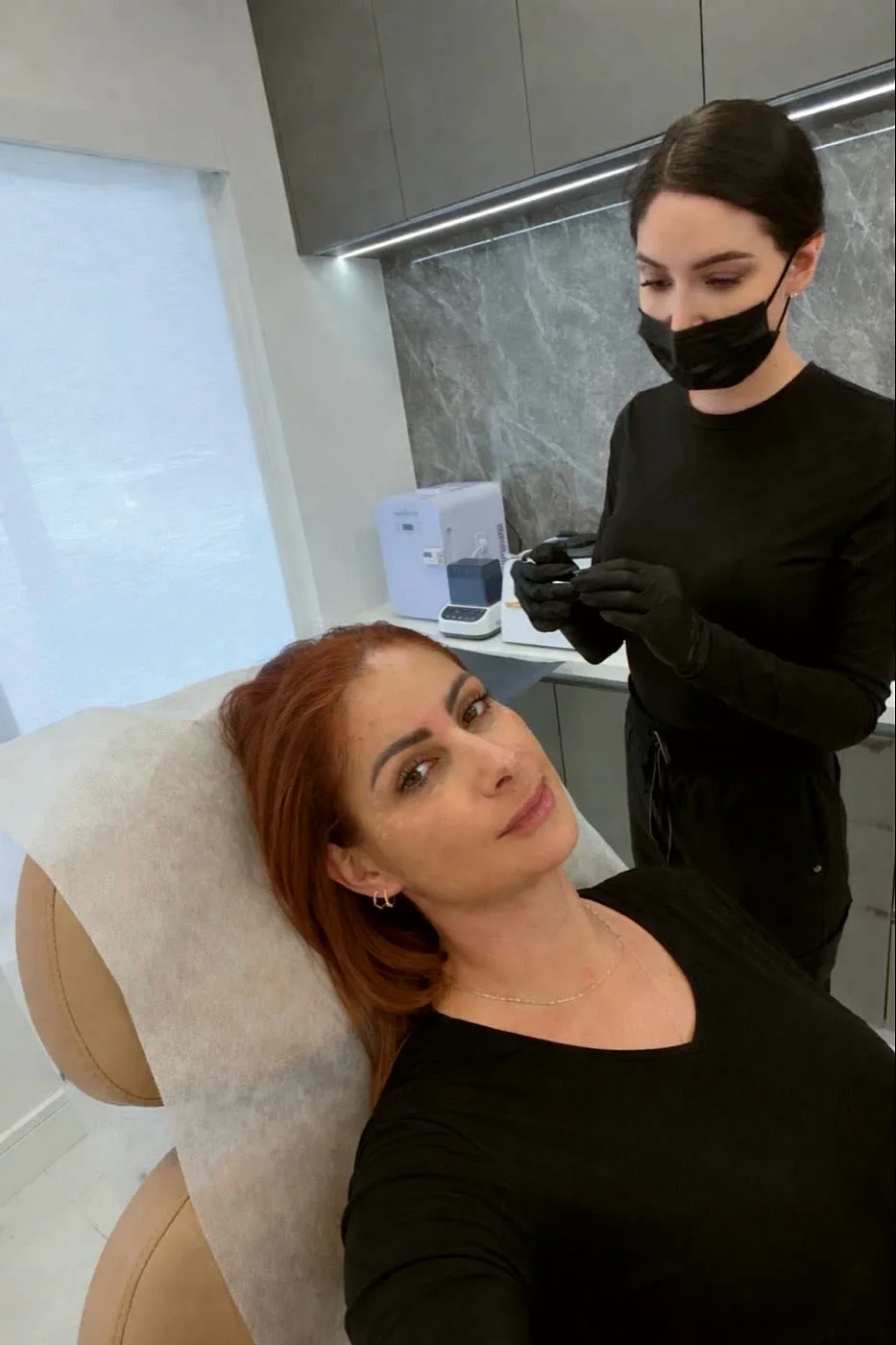
The clinic is in Hallandale Beach, which puts it within easy reach of patients coming from Aventura and Hollywood FL. Parking is straightforward and appointments run on time.
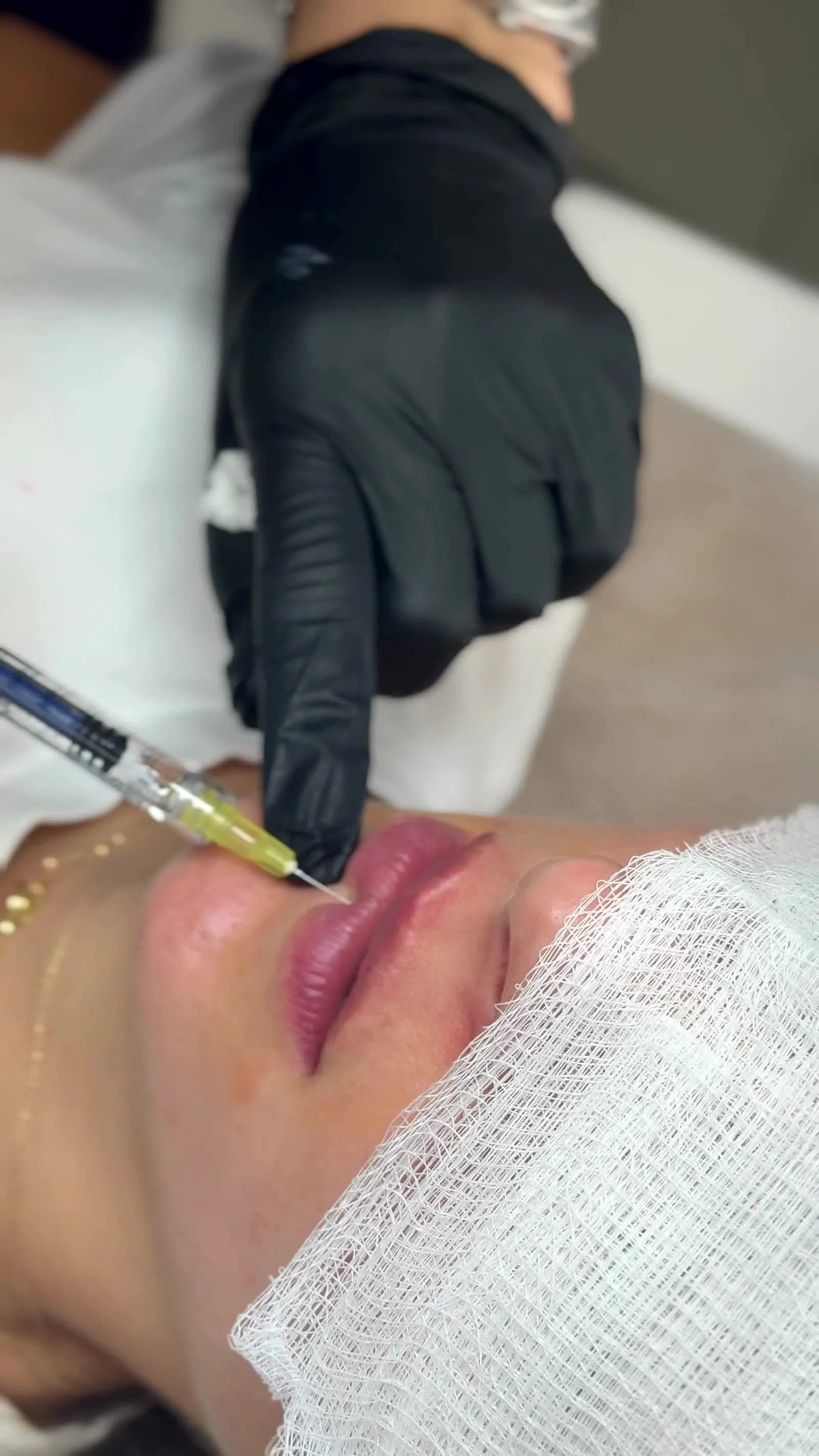
A first visit starts with a conversation, not a needle. Your injector looks at your facial movement, asks about your goals, and explains what is realistic for your anatomy. If you decide to proceed, the injections themselves take under fifteen minutes for most treatment areas.
You leave with written aftercare instructions. There is no bandaging, no recovery room, and most patients return to their day immediately. Bruising is possible. It is not common, but it happens, and it fades within days for most people.
Pricing is discussed at the consultation. Estetika does not publish a price list online because the number of areas and the approach vary by patient, and quoting a flat number without seeing someone first would not be accurate.
What Botox does not fix
This section matters. Botox works on muscle movement. It does not address:
- Volume loss in the cheeks or under-eye area
- Skin texture, pores, or pigmentation
- Sagging along the jawline or neck
- Deep static lines that are present even without any expression
If your concern falls into one of those categories, a different treatment is likely a better starting point. The injectables page gives an overview of filler options and other approaches that address volume and skin quality. A consultation will tell you which combination, if any, makes sense for you.
Who should not get Botox
Botox is not appropriate for everyone. A qualified injector will decline to treat patients who are pregnant or breastfeeding. Patients with certain neuromuscular conditions, such as ALS or myasthenia gravis, are generally not candidates. Allergies to any component of the product are also a contraindication.
Beyond medical exclusions, Botox is not a good fit for someone who wants a dramatic physical change. It works within a limited range. If you are hoping to address structural concerns or significantly alter proportions, that conversation needs to go in a different direction.
How to decide if you are ready
Reading about a treatment gets you to a certain point. But the only way to know whether Botox makes sense for you, specifically, is to have a provider look at your face and talk through what you are trying to address.
The FAQ page answers some of the logistical questions patients ask most often before their first visit.
If you are ready to take the next step, the easiest thing to do is book a consultation and ask everything you want to ask in person. You can schedule your visit online, and the team will walk you through the rest.
Frequently asked questions
How long does Botox last?
For most people, Botox tends to last between three and four months. After that, the muscle activity gradually returns and lines begin to reappear. Staying on a consistent schedule can help maintain the look over time.
Does Botox hurt?
Most patients describe the sensation as a brief pinch. The needles used are very fine, and the procedure takes only a few minutes. Some providers apply a topical numbing cream beforehand if the patient prefers.
What is the difference between Botox and Dysport?
Both are botulinum toxin type A products approved by the FDA to relax muscle movement and reduce expression lines. Dysport tends to spread slightly more, which some providers prefer for broader areas. The choice depends on the patient's anatomy and the injector's assessment.
Can I get Botox if I am pregnant or breastfeeding?
No. Botox is not recommended during pregnancy or breastfeeding. This is a firm clinical contraindication, and any qualified provider will decline to treat patients in either situation.
What should I avoid after Botox?
For the first 24 hours, most providers recommend avoiding strenuous exercise, lying flat, and touching or rubbing the treated area. These precautions help the product settle without migrating. Your injector will give you specific aftercare instructions at the appointment.
Sources
- U.S. Food and Drug Administration
- American Academy of Dermatology
- American Society of Plastic Surgeons
Educational content. It does not replace a medical consultation at Estetika Med Spa.