What is facial balancing: proportions, not perfection
By the Estetika Med Spa · · 4 min read
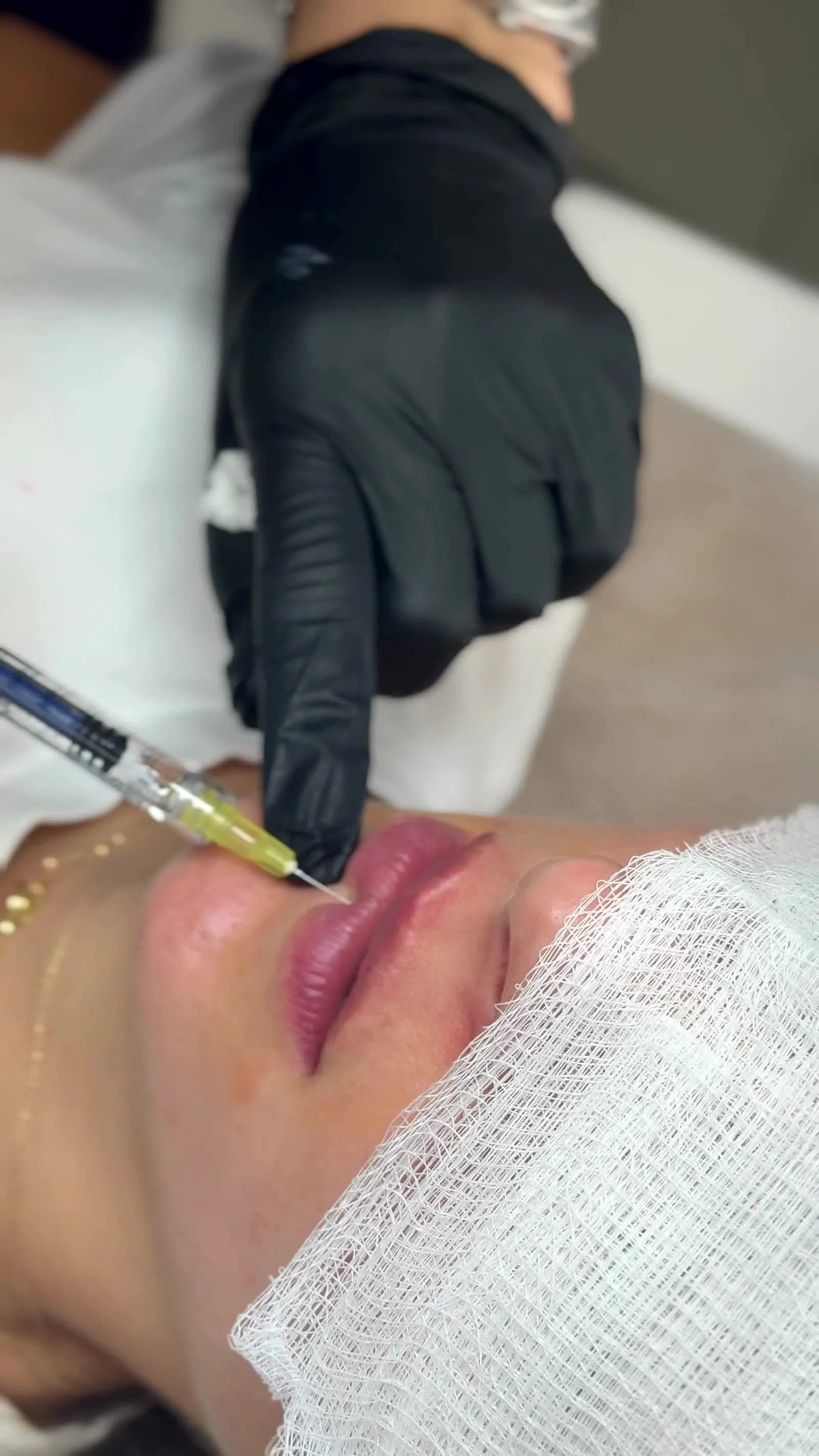
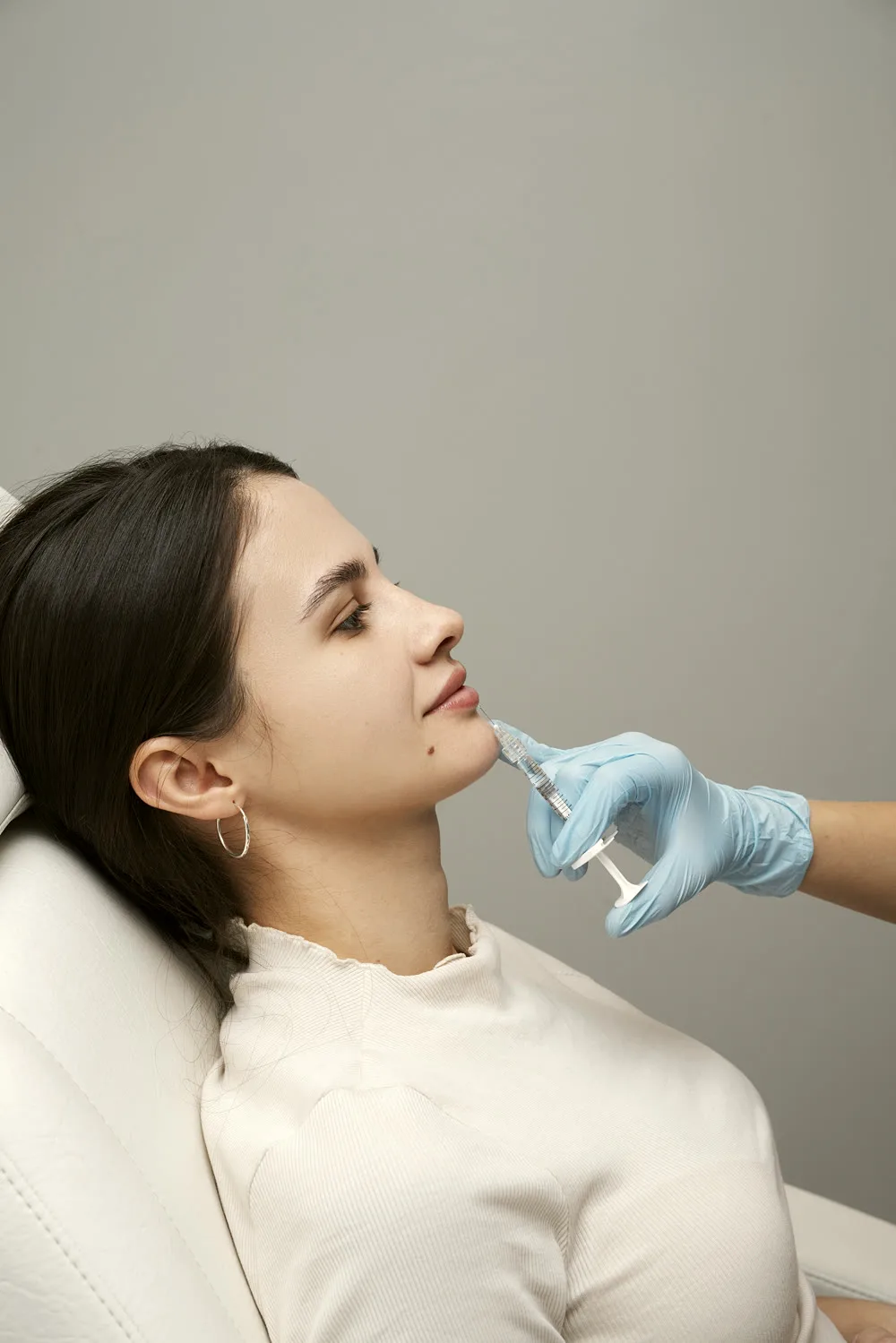
Facial balancing is an injectable approach that adjusts the visual proportion between facial features, such as the chin, jawline, lips, cheeks, and nose profile, without surgery. A provider assesses how each feature relates to the others, then uses fillers or neuromodulators to bring the face closer to its own natural harmony. Results vary by person and treatment plan.
If you have been looking up what is facial balancing, you probably already sense that something about your features feels slightly off to you, even if you cannot name it. Facial balancing is a treatment approach, not a single product. It uses injectables to adjust the proportion between features so the face reads as more harmonious overall, without changing what makes you look like you.
How proportion works in the face
The face is not a collection of isolated parts. The way the chin projects affects how the nose reads. The width of the cheeks affects how the jawline appears. Providers trained in facial balancing assess these relationships before recommending anything.
A classic reference point is the vertical thirds: the forehead, the middle of the face from brow to nose base, and the lower face from nose to chin. Another is the relationship between the width of the nose and the space between the inner corners of the eyes. These are guides, not rules, and every face has its own geometry.
The goal is to bring your features into better proportion with each other, not to meet an external template.
What treatments are typically involved
Facial balancing draws on a range of injectable tools. The choice depends entirely on what the assessment shows.
- Dermal fillers add volume or projection. Hyaluronic acid fillers are the most common. Radiesse is used in areas that benefit from both volume and structural support.
- Neuromodulators such as Botox or Dysport relax specific muscles, which can slim the lower face, lift the corners of the mouth, or soften a gummy smile.
- Sculptra stimulates collagen gradually and works in areas where volume has been lost over time rather than where projection is the goal.
A provider may recommend one product, several, or a phased plan across multiple sessions. The combination is specific to the patient.
What a session looks like in practice
The appointment usually starts with a thorough facial analysis. The provider photographs the face from multiple angles and maps the relationships between features before recommending anything. This is where the plan takes shape.
Treatment itself is typically done in the same visit, though some plans split assessment and treatment across two appointments. Numbing is applied before injections. Most patients return to daily activities the same day, with mild swelling or bruising in the treated areas for a few days.
Full results usually become visible once any initial swelling settles, which for most people takes one to two weeks.
At Estetika, we do not start injecting until we understand how every feature relates to the others. Proportion first, product second.
The chin and jawline: the most underused adjustment
Many patients focus on lips or cheeks and overlook the chin. But the chin is one of the most influential points in facial balance. A chin that is recessed makes the nose look larger and the neck less defined. A small amount of filler in the chin can shift how the entire lower face reads, and it often reduces the perceived size of the nose without touching it.
The same logic applies to the jawline. Softening or defining the jaw changes the overall shape of the face in a way that single-area treatments rarely do.
What facial balancing does not fix
This is the part worth reading carefully. Injectables work with soft tissue. They cannot change bone structure, reposition fat compartments that have descended significantly, or address skin laxity that has passed a certain threshold.
Facial balancing is also not a correction for deep structural asymmetry caused by bone or muscle differences. Injectables can soften the appearance of asymmetry in many cases, but the American Society of Plastic Surgeons is clear that surgical options remain the standard when the underlying cause is skeletal.
If your concern is primarily about skin texture, pores, or tone, that falls outside what injectables address. Treatments such as HydraFacial or VI Peel are better suited to those goals. You can review the full range of what the clinic offers at /treatments/.
Who tends to get the most from this approach
Facial balancing tends to work well for people who feel their features are disproportionate but do not want surgery, people who have noticed volume loss in specific areas as they have gotten older, and people who want a subtle shift rather than a dramatic change.
It is less suited to patients who have a specific feature they want significantly enlarged or dramatically altered. Injectable volume has limits. And it is not appropriate during pregnancy or breastfeeding, or for patients with certain autoimmune conditions. A full medical history review happens before any plan is finalized.
What to expect over time
Results from facial balancing are not permanent. For most people, hyaluronic acid fillers in structural areas tend to last roughly one to two years before gradual reabsorption. Neuromodulators like Botox or Dysport usually last three to four months. Some patients choose to maintain results with periodic touch-ups; others treat once and then reassess.
The U.S. Food and Drug Administration has approved hyaluronic acid fillers for specific facial areas, and providers are trained to work within those indications. Product choice, volume, and placement are all clinical decisions made at the time of consultation.
If you are trying to figure out whether facial balancing makes sense for your face, the most direct route is a one-on-one assessment. Book a consultation at Estetika and walk in with your questions.
Frequently asked questions
How is facial balancing different from getting filler in one area?
Single-area filler targets one feature in isolation. Facial balancing looks at how the chin, cheeks, lips, and jawline relate to each other before deciding what to address. A small chin adjustment, for example, can visually change how prominent the nose appears without touching the nose at all.
Does facial balancing hurt?
Most people find injectable treatments manageable. Providers typically apply a topical numbing agent before the session, and many fillers contain lidocaine. Discomfort varies by area and by individual sensitivity.
How long do facial balancing results last?
Duration depends on the products used and the areas treated. For most people, hyaluronic acid fillers in structural areas tend to last roughly one to two years, while neuromodulators such as Botox or Dysport usually last three to four months. A provider will give a more specific estimate based on your plan.
Can facial balancing fix a crooked nose?
Injectables can soften the appearance of bumps or asymmetry along the nose bridge, which is sometimes called a non-surgical rhinoplasty. They cannot change bone structure. If the asymmetry comes from bone or cartilage, a consultation with a surgical specialist is the appropriate next step.
Is facial balancing safe for darker skin tones?
Injectable treatments are generally suitable across skin tones when performed by a trained provider. The considerations for darker skin relate more to avoiding products or techniques that can cause discoloration at the injection site. Discussing skin history with the provider before treatment is always the right starting point.
Sources
- American Academy of Dermatology
- American Society of Plastic Surgeons
- U.S. Food and Drug Administration
Educational content. It does not replace a medical consultation at Estetika Med Spa.