Does microneedling work? What the evidence shows
By the Estetika Med Spa · · 4 min read
Yes, microneedling works for many people. The procedure creates controlled micro-injuries that trigger the skin's natural collagen production, which over a series of sessions tends to improve texture, fine lines, and acne scarring. Results vary by skin type, concern, and how many sessions a person completes. It does not work the same way for everyone, and some conditions respond better than others.
The question “does microneedling work” gets asked by people who are genuinely skeptical and want an honest answer before committing to anything. That is a reasonable starting point. Microneedling has a real mechanism behind it, and the evidence across dermatology literature suggests it improves several common skin concerns for most people who complete a proper course of treatment. But it is not a universal solution, and understanding what it does and does not do will help you decide if it belongs in your plan.
How microneedling actually works
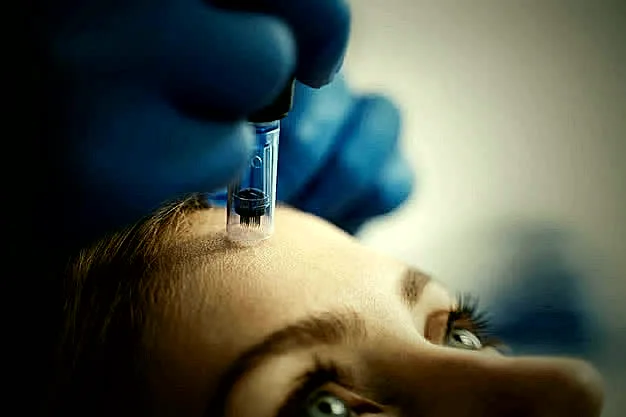
A device with fine needles moves across the skin and creates thousands of small, controlled punctures in the surface. Those micro-injuries are shallow. The body reads them as damage and responds by producing collagen and elastin to repair the area. That repair process is what drives the visible changes.
The FDA has cleared microneedling devices for use, and the procedure has been studied for skin texture, fine lines, and scarring. The American Academy of Dermatology notes it as an option for atrophic acne scars. The mechanism is consistent: controlled injury, followed by the body’s own repair response.
The goal is not to damage skin. The goal is to give the skin a specific reason to rebuild.
What it tends to improve
Microneedling is most often chosen for these concerns:
- Acne scars, particularly pitted or indented types
- Fine lines and early wrinkles, especially around the eyes and mouth
- Uneven skin texture and enlarged pores
- Stretch marks, with slower and less predictable results
- Mild skin laxity in areas where tone has softened
Results in all of these categories vary. Someone with moderate atrophic scarring and otherwise healthy skin tends to see more change than someone with severe scarring or very deep lines. A provider’s assessment before the first session tells you more than any general article can.
What a session looks like
A topical numbing cream is applied and left on for around 30 minutes before the device touches your skin. The procedure itself usually takes 20 to 40 minutes depending on the area being treated. Redness afterward looks like a mild sunburn and resolves for most people within 24 to 48 hours.
The skin needs time to repair between sessions. That is why appointments are spaced several weeks apart. Rushing the schedule does not improve results and can do the opposite.
The collagen timeline matters
This is the part people sometimes find frustrating. You will not see the final result of a microneedling session immediately. The collagen production triggered by each session continues for weeks. Most people begin noticing real texture improvement a month or more after starting treatment, and the full benefit of a completed course may not be visible until two or three months after the last session.
According to the Cleveland Clinic, collagen remodeling from procedures like this continues well beyond the visible healing phase. That is useful to know when you are comparing photos and wondering if something is actually happening.
Who gets the most out of it
Microneedling tends to work best on people with mild to moderate skin concerns who are in generally good skin health. Age is not a strict barrier, but younger skin with more baseline collagen tends to respond faster.
The procedure is also considered compatible with a broader range of skin tones than many energy-based treatments, which matters for patients who have historically had fewer options. The American Academy of Dermatology points to this as one of the reasons it has become more widely recommended across diverse skin types.
If you are curious about how microneedling fits into a broader skin plan, the regenerative treatments page outlines how Estetika approaches this type of work and what it is typically combined with.
Who should not have this treatment
Microneedling is not the right choice for everyone, and a provider should screen for several conditions before scheduling.
People with active acne breakouts, open skin infections, or certain inflammatory skin conditions are not good candidates at that time. The procedure can spread bacteria across the skin or worsen active inflammation.
Those taking certain blood thinners or medications that affect healing may also need to pause or avoid the treatment. The same applies to anyone who has had radiation treatment in the area being worked on.
Keloid formers, meaning people whose skin tends to produce raised, excessive scar tissue, may not respond well. And if your primary concern is deep static lines or significant volume loss, microneedling alone is unlikely to address those. Those concerns often require different tools: injectables, fillers, or energy-based devices. You can review what the full treatment menu looks like on the treatments page.
Microneedling also does not change pigmentation the way a chemical peel or laser does. It may modestly improve certain types of hyperpigmentation over time, but it is not a primary tool for that concern.
What happens between sessions
The skin needs basic care to support the repair process. Sun protection matters more in the days after a session than at any other time. Harsh exfoliants, retinoids, and active acids should be paused for the window your provider specifies.
Skipping aftercare is one of the most common reasons people see less improvement than expected. The session creates the condition for change; what follows determines how much of that potential the skin actually uses.
If you want to know whether microneedling makes sense for your skin and your goals, the place to start is a conversation with a provider who can look at what you are working with. Book a consultation at Estetika and we will tell you honestly whether this is the right direction or whether something else would serve you better.
Frequently asked questions
How many microneedling sessions does it take to see results?
Most people start noticing changes after two or three sessions. A full course typically involves three to six sessions spaced several weeks apart. Your provider will recommend a schedule based on your specific skin concerns and how your skin responds after the first session.
Does microneedling hurt?
A topical numbing cream is applied before the procedure, so most people describe the sensation as mild pressure or warmth rather than pain. Discomfort varies by the depth of treatment and the area being worked on. Redness and sensitivity in the hours that follow are normal.
How long does microneedling last?
For most people, results from a completed course of sessions tend to last several months to a year or more, depending on age, skin condition, and lifestyle. Collagen production continues for weeks after the last session. Maintenance sessions are often recommended to sustain the improvement.
Is microneedling safe for all skin tones?
According to the American Academy of Dermatology, microneedling is generally considered safe for a wider range of skin tones than many laser treatments. That said, certain conditions or active skin concerns may make a person a poor candidate. A provider should evaluate your skin before scheduling any session.
Can microneedling help with acne scars?
Microneedling is one of the more studied approaches for atrophic acne scars, the pitted or indented type. It tends to improve the appearance of those scars over a series of sessions by stimulating new collagen in the depressed areas. It is less effective on raised or hypertrophic scars.
Sources
Educational content. It does not replace a medical consultation at Estetika Med Spa.