Microneedling in Hollywood, FL: what to expect
By the Estetika Med Spa · · 4 min read
Microneedling uses fine needles to create controlled micro-injuries in the skin, triggering the body's own collagen production. For most people, it improves texture, fine lines, and mild scarring over a series of sessions. It is not a single-treatment fix, and results vary by skin type and condition.
If you’ve been looking up microneedling in Hollywood, Florida, you’re probably not sure whether the results are worth it or just convincing before-and-after photography. That’s a fair question. This article explains what microneedling actually does to the skin, who tends to respond well, and what honest recovery looks like, so you can decide whether a consultation makes sense for you.
How microneedling works
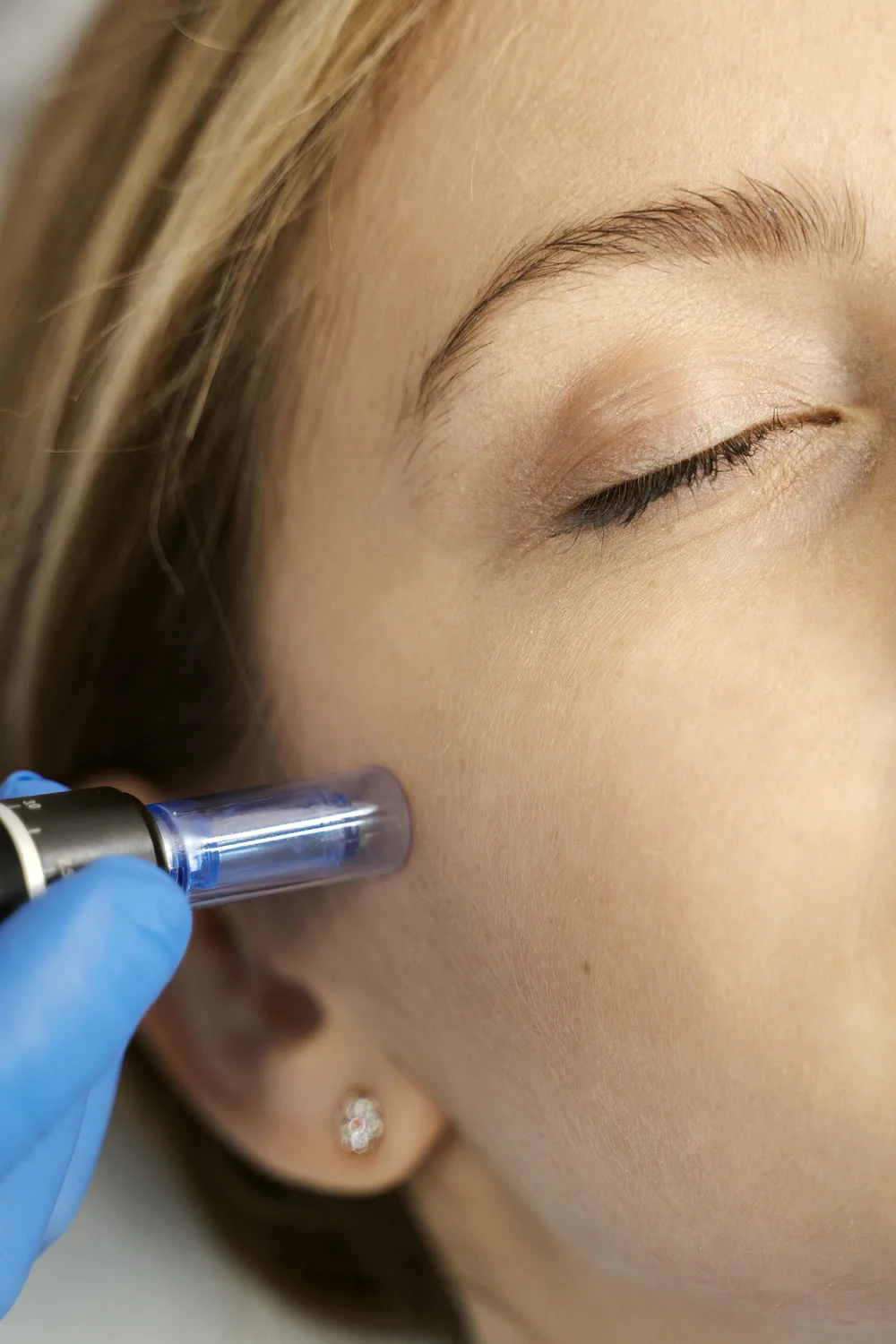
Microneedling uses a device fitted with very fine needles to create tiny channels in the upper layers of the skin. The injury is controlled and shallow. The point is to trigger the skin’s repair response, which includes producing new collagen and elastin.
According to the Cleveland Clinic, this wound-healing process is what drives the improvements people notice in texture and firmness. The skin isn’t being resurfaced the way a laser would. It’s being prompted to repair itself from within.
Microneedling doesn’t change the skin from the outside. It asks the skin to rebuild.
The depth of penetration matters. A trained provider adjusts it based on the area being treated and the concern being addressed. That judgment call is part of what a consultation is for.
What it can and can’t do
Microneedling tends to work well for:
- Uneven skin texture or enlarged pores
- Fine lines, particularly around the mouth and eyes
- Mild to moderate acne scarring
- Post-inflammatory hyperpigmentation in certain skin types
- Skin laxity that hasn’t yet reached the stage where tightening procedures are needed
It is not a treatment for deep wrinkles caused by muscle movement. It won’t address broken capillaries, rosacea flares, or pigmentation caused by sun damage the way a targeted laser would. And it does not produce the same lift as treatments that work at a structural level.
If you’re exploring the full range of options, the regenerative treatments page gives an overview of what falls under that category at Estetika.
What the session itself looks like
A topical numbing cream is applied about 30 minutes before starting. The treatment itself usually takes under an hour, depending on the area.
Most people describe the sensation as pressure with occasional mild scratching. The forehead tends to feel more intense than the cheeks. Immediately after, the skin looks flushed, similar to a moderate sunburn.
That redness is normal. For most people it settles within 24 to 48 hours. Some dryness or flaking can follow as the skin turns over. Makeup, direct sun, and active skincare ingredients like retinol should be avoided for several days.
Hallandale Beach location, and who comes in from nearby
Estetika is based in Hallandale Beach. A significant portion of patients come from Aventura, where there’s strong demand for treatments that don’t require extended downtime. The recovery profile of microneedling, typically a long weekend with no real disruption to routine, suits people who want results without a week off.
The consultation happens at the clinic. That’s where a provider looks at your skin directly, asks about your history, and tells you honestly whether microneedling fits your goals or whether something else would work better.
Who this treatment is not for
Microneedling is not appropriate for everyone. The American Academy of Dermatology notes several contraindications that need to be ruled out before proceeding.
People with active acne breakouts, open wounds, or certain skin infections in the treatment area should wait. Anyone taking isotretinoin or who has taken it recently needs to discuss timing with their provider, as the skin’s healing response is altered.
Pregnancy is also a reason to postpone. And for anyone with a history of keloid scarring, the consultation is especially important, because the healing response that makes microneedling work is the same mechanism that can produce excessive scar tissue in susceptible skin.
If you have a condition that affects wound healing or immune function, bring that to the consultation. Your provider needs the full picture.
What results actually look like over time
A single session produces some improvement in radiance and texture for most people. The more meaningful changes, particularly in scarring and skin density, build over multiple sessions.
Most providers suggest spacing sessions several weeks apart to allow the skin to complete its repair cycle before the next treatment. The number of sessions isn’t fixed: it depends on the starting point and the goal. This is discussed at the consultation, not decided in advance.
The U.S. Food and Drug Administration classifies microneedling devices used in clinical settings under its regulatory framework for medical devices, which means the equipment and protocols at a licensed clinic are held to a defined standard.
Improvement tends to continue for weeks after the last session as collagen matures. That delay is part of why the before-and-after gap looks large in some cases.
What to ask at your consultation
Knowing what to ask makes the conversation more useful. A few questions worth bringing:
- Is my skin a good candidate based on what you can see today?
- How many sessions would you recommend for my specific concern?
- Are there any treatments I should avoid in the weeks before or after?
- What does aftercare look like day by day?
You can also explore the treatments page to get a broader sense of what the clinic offers before your appointment.
If microneedling sounds like a fit, the next step is a face-to-face look at your skin. You can schedule a consultation at Estetika in Hallandale Beach and leave with a clear picture of what’s realistic for you.
Frequently asked questions
How many microneedling sessions do I need to see results?
Most people see noticeable improvement after three to four sessions spaced a few weeks apart. A single session can refresh skin tone, but deeper concerns like acne scarring tend to respond better with a series. Your provider will assess your skin at the consultation and suggest a plan based on what you want to address.
Is microneedling painful?
A topical numbing cream is applied before the treatment, so most people feel pressure or a mild scratchy sensation rather than sharp pain. Sensitivity varies by area, with the forehead and bony areas tending to feel more intense. Discomfort usually fades within minutes of finishing.
How long does redness last after microneedling?
For most people, redness resembles a moderate sunburn and settles within 24 to 48 hours. Some mild pinkness or dryness can persist for a few more days. Sun exposure and certain skincare ingredients should be avoided during that window.
Can microneedling be combined with other treatments?
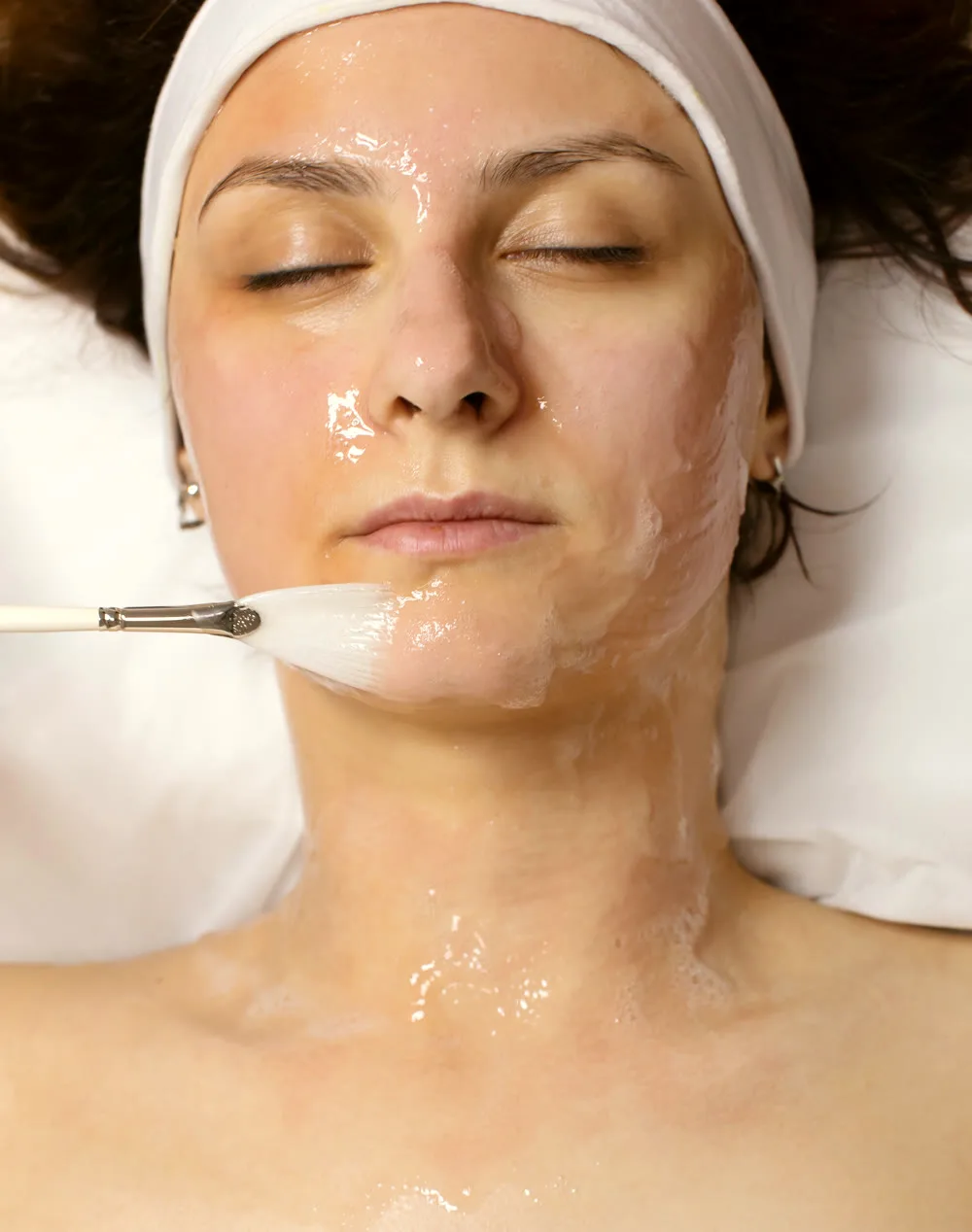
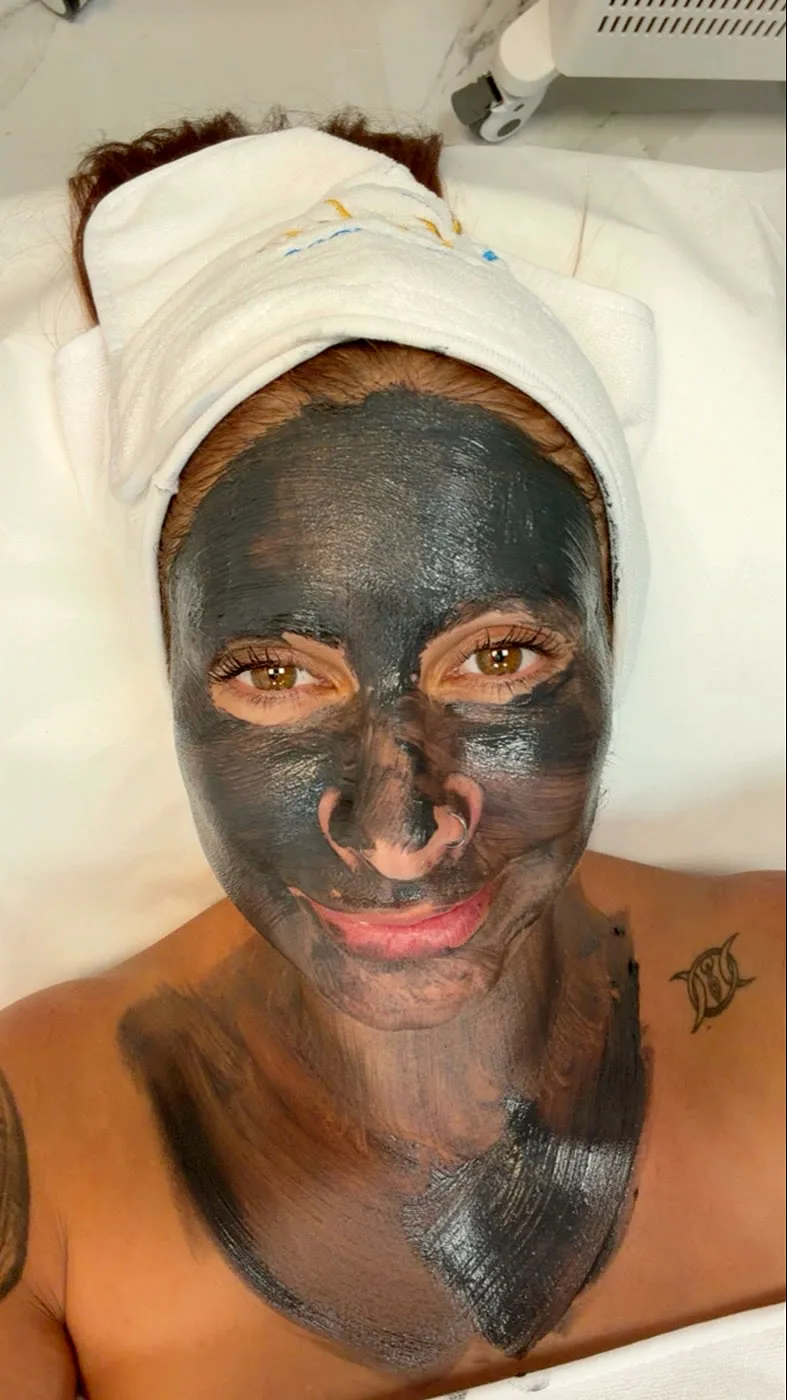
Yes. Providers at Estetika often discuss pairing microneedling with treatments like VI Peel or HydraFacial, depending on skin goals. Combining treatments is something your provider maps out at the consultation, not something to decide before a skin assessment.
Is microneedling safe for darker skin tones?
According to the American Academy of Dermatology, microneedling is generally considered lower-risk for darker skin tones than certain laser treatments, because it does not rely on heat or light energy. That said, a proper consultation is still needed to rule out contraindications and choose the right depth and protocol.
Sources
Educational content. It does not replace a medical consultation at Estetika Med Spa.
Keep reading
Where to have it done in South Florida
Estetika is at 400 E Hallandale Beach Blvd, Hallandale Beach, Florida, 8 minutes from Aventura. Many patients also drive in from Hollywood, 11 minutes away. Consultations are in English or Spanish.