PRP facial in Hollywood FL: what to expect before you go
By the Estetika Med Spa · · 4 min read
A PRP facial draws a small amount of your blood, processes it to concentrate the platelet-rich plasma, and applies it to your skin, often after microneedling, to support collagen production and improve texture. Results vary by person and build gradually over several weeks. It does not resurface the skin or correct deep structural laxity.
If you have been searching for a PRP facial in Hollywood FL, you are probably trying to understand what actually happens during the procedure before you commit. That is the right instinct. PRP, or platelet-rich plasma, is one of the more discussed treatments in regenerative aesthetics, and the information online ranges from accurate to exaggerated. This article covers what PRP facials do, what they do not do, and what to expect at a clinic like Estetika in Hallandale Beach, which also sees patients from Aventura and the surrounding area.
What PRP is and where the plasma comes from
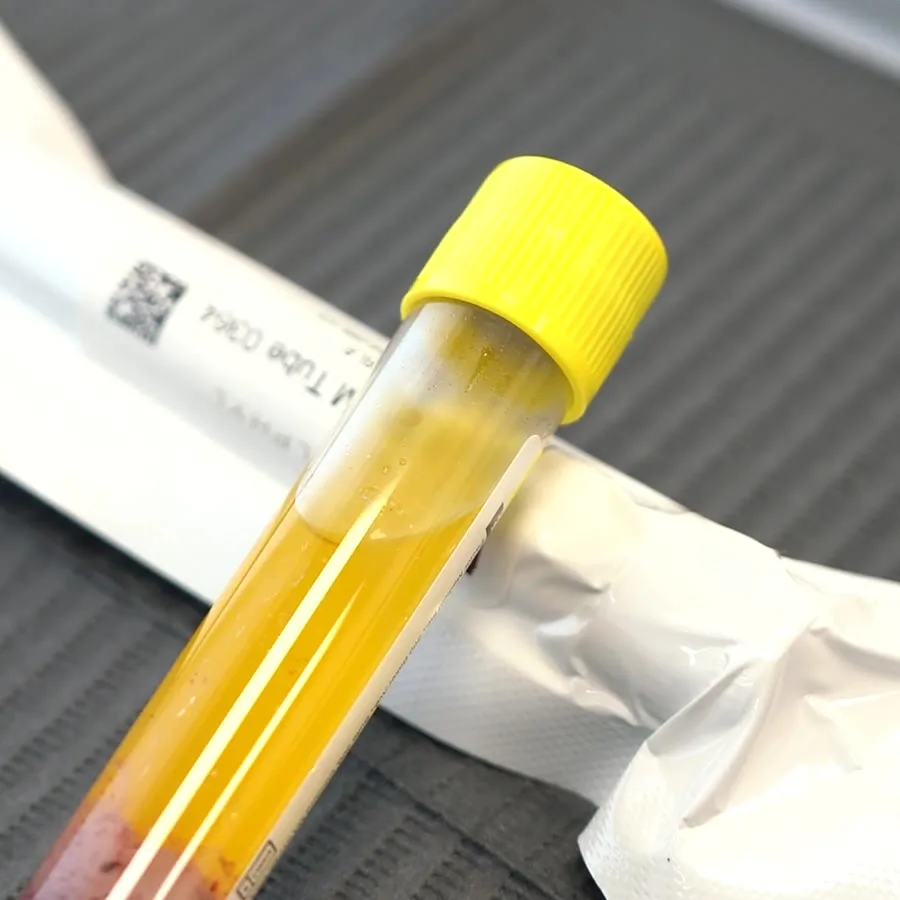
PRP uses your own blood. A small sample is drawn at the start of the appointment, placed in a centrifuge, and spun to separate the plasma from the red blood cells. The resulting concentrate is rich in platelets, which carry growth factors your body uses during the healing process.
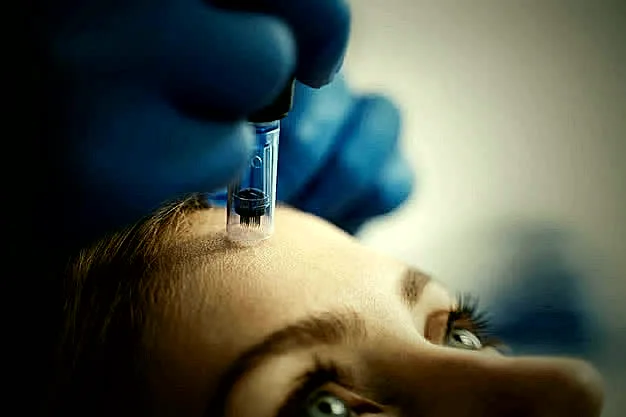
The plasma is then applied to the skin, usually after microneedling creates small channels that allow deeper absorption. The growth factors in the plasma are thought to support collagen production and skin repair. The American Academy of Dermatology notes that platelet-rich plasma has been studied across several areas of medicine, with aesthetic applications continuing to grow.
What the treatment is trying to do
The goal of a PRP facial is gradual improvement in skin texture, tone, and firmness. It is not a resurfacing procedure. It works with your body’s own biology rather than removing or ablating tissue.
Most people pursue it for:
- Fine lines around the eyes or mouth
- Uneven skin tone or dullness after sun exposure
- Texture concerns that have not responded to topical products
- Skin that looks tired rather than damaged
Results tend to build over several weeks as collagen remodeling occurs. Improvement is visible for many patients, but timing and degree vary significantly from person to person.
What the appointment looks like at Estetika
At Estetika Med Spa in Hallandale Beach, the appointment begins with a skin assessment. Your provider reviews your medical history before any blood is drawn, which matters because contraindications exist and need to be ruled out first.
After the blood draw and centrifuge processing, a topical numbing cream is applied. The plasma is then delivered to the skin, typically through microneedling. The whole session runs roughly 60 to 90 minutes for most people.
Post-treatment, your skin will be red and may feel warm. That is a normal response. Your provider will go over aftercare instructions before you leave, including how long to wait before applying makeup or returning to your regular skincare routine.
At Estetika, the intake conversation is not a formality. It is how the provider decides whether PRP is the right choice or whether a different approach would serve you better.
How to think about recovery
Redness and mild swelling are common for one to three days. Sun exposure during that window can irritate the skin, so sunscreen becomes important as soon as your provider clears you to apply it.
Most people resume normal activities the day after treatment. The skin may feel slightly rough during the early healing phase. Picking or rubbing the area can interfere with healing and is not recommended.
Significant discomfort beyond the first 24 hours, or any sign of infection, is a reason to contact the clinic directly rather than waiting.
How PRP fits into a regenerative treatment plan
Estetika’s regenerative treatments include PRP alongside other options that target collagen, volume, and skin quality at different levels. PRP is often one part of a longer plan rather than a standalone solution.
Some patients combine it with other visits over time. Others use it as a starting point to see how their skin responds before deciding on next steps. The provider at your assessment will help you understand where PRP facial treatment fits relative to your specific goals and skin condition.
If you are curious about how this fits into the broader range of what the clinic does, the treatments page outlines the full menu.
How many sessions and how long results last
A single session produces results for some people. Many patients do better with a series of two to four sessions spaced a few weeks apart, followed by periodic maintenance. For many patients, results from a series hold for several months before touch-ups are worth considering.
There is no universal schedule. Your provider will set expectations based on your starting point and how your skin responds after the first session.
Who this treatment is not right for
PRP facials are not appropriate for everyone. People with certain blood disorders, clotting conditions, or active skin infections in the treatment area are not candidates. A history of keloid scarring raises a flag that your provider will want to discuss.
The treatment also does not address deep volume loss, significant skin laxity, or conditions that require medical dermatology rather than aesthetic care. If your concern is structural, your provider may recommend a different approach or a referral.
Pregnancy is a contraindication. Some medications affect platelet function and need to be disclosed during your medical intake. The U.S. Food and Drug Administration has guidance on how blood-derived products are handled in clinical settings, which is part of why a proper intake process matters before any session.
If you want to know whether a PRP facial makes sense for your skin, the best next step is a one-on-one assessment with a provider who can look at your skin directly. Book a consultation at Estetika and come with your questions.
Frequently asked questions
How long does a PRP facial take?
The appointment, including blood draw, centrifuge processing, and application, typically takes about 60 to 90 minutes for most people. You should also plan a few extra minutes for numbing cream if microneedling is part of the session. Your provider will give you a more precise time estimate during your consultation.
Is there downtime after a PRP facial?
For most people, redness and mild swelling last one to three days. The skin may feel slightly rough during that window, and sun exposure should be avoided. Most patients return to normal activities the following day, though this depends on how the treatment is delivered.
How many PRP facial sessions do most people need?
Many patients start with a series of two to four sessions spaced several weeks apart, then move to maintenance treatments as their provider recommends. The number depends on the skin concern being addressed and how each person responds. Your provider will outline a plan at your initial visit.
Can PRP facials be combined with other treatments?
Yes. PRP is often paired with microneedling to help the plasma reach deeper layers of the skin. It can also complement other regenerative treatments at the same clinic. Your provider will determine what combination, if any, makes sense based on your skin assessment.
Who should not get a PRP facial?
People with certain blood disorders, active infections on the treatment area, or a history of keloid scarring are generally not good candidates. Pregnancy and some medications can also be contraindications. A thorough medical intake at your consultation is the right place to clarify whether this applies to you.
Sources
Educational content. It does not replace a medical consultation at Estetika Med Spa.