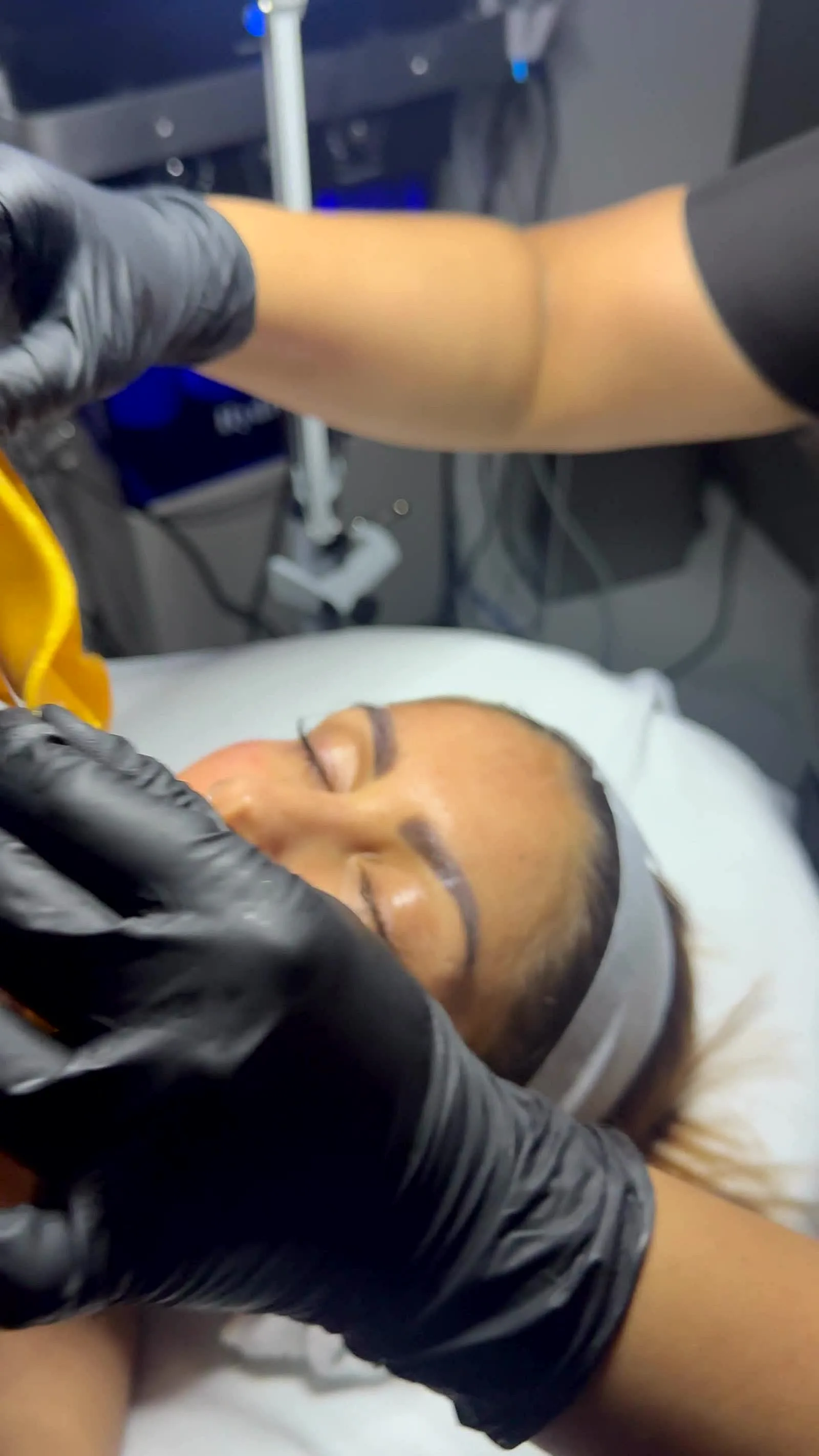
RF microneedling vs microneedling: what's the real difference
By the Estetika Med Spa · · 4 min read
RF microneedling adds radiofrequency energy to the needling process, which means it targets collagen in deeper skin layers than standard microneedling. Standard microneedling works through controlled micro-injuries at the surface. Both improve skin texture and tone, but RF tends to produce more pronounced tightening effects, especially for skin laxity. The right choice depends on your skin concern, not just the technology.
When someone types “RF microneedling vs microneedling” into a search bar, they usually have a specific treatment in mind and want to know if upgrading to radiofrequency is worth it. That’s a fair question. The two procedures look similar on paper, but they work through different mechanisms and tend to suit different skin concerns.
What standard microneedling actually does
Microneedling uses a device with fine needles to create controlled micro-injuries across the skin’s surface. The American Academy of Dermatology describes this process as stimulating the skin’s natural wound-healing response, which over time increases collagen and elastin production.
The results tend to show up gradually. For most people, skin looks smoother, pores appear smaller, and mild acne scars become less visible over a series of treatments. The procedure works in the upper and middle layers of the dermis.
Downtime is usually short. Redness for a day or two, some tightness, and then the skin returns to normal while the repair process continues underneath.
What RF microneedling adds to the equation
RF microneedling does everything standard microneedling does, and then delivers radiofrequency energy through the needle tips once they reach the target depth. That energy generates heat inside the tissue.
Heat at that depth triggers a different response. It causes immediate contraction of existing collagen fibers and signals the body to produce new ones over the following months. The Cleveland Clinic notes that this combination approach addresses both surface texture and deeper structural changes in the skin.
At Estetika, we use RF microneedling when a patient’s main concern is skin laxity or deeper textural change, not just surface refinement.
The practical difference: RF microneedling tends to produce more visible tightening, particularly in areas where skin has started to lose firmness. Standard microneedling is effective for surface texture and mild scarring, but it does not reach the depth needed to remodel deeper tissue.
A direct comparison of the two
| Microneedling | RF Microneedling | |
|---|---|---|
| Mechanism | Micro-injuries only | Micro-injuries + radiofrequency heat |
| Depth targeted | Upper and mid dermis | Mid to deep dermis |
| Best for | Texture, pores, mild scars | Laxity, deeper wrinkles, firming |
| Downtime | 1 to 2 days for most people | 2 to 4 days for most people |
| Sessions typical | Series of treatments | Series of treatments |
This is a simplified comparison. What a provider recommends depends on your skin, not on a chart.
When standard microneedling is the better starting point
Standard microneedling makes sense for patients who:
- Have mild texture irregularities or enlarged pores
- Are earlier in their skin journey and want to see how their skin responds to needling
- Have concerns concentrated in the surface layers of the skin
- Need a shorter recovery window
It is also sometimes used as a preparatory step before moving to RF treatments, though this depends entirely on the provider’s assessment.
When RF microneedling tends to be recommended
RF microneedling is typically suggested when the concern involves skin laxity, deeper acne scars, or areas where collagen loss has become visible, such as the lower face, neck, or jawline.
Because the radiofrequency energy reaches deeper, it tends to produce more structural change. For most people, this means firmer-feeling skin and a more defined contour over the course of a treatment plan.
Both procedures stimulate collagen over time. Neither produces immediate dramatic results after a single session. Patience is part of the process.
What neither treatment resolves
Neither RF microneedling nor standard microneedling addresses significant skin laxity that has advanced to the point where surgery would typically be recommended. They are not substitutes for a facelift or other surgical intervention.
They also do not remove pigmentation caused by sun damage in the same way that certain laser or chemical treatments do. And neither is a solution for active, inflamed acne. Treating broken skin with needles of any kind is contraindicated until the skin is in a stable condition.
Patients with certain health conditions, blood thinners, or a history of keloid scarring need a detailed screening before either treatment.
Who should think carefully before booking
Standard microneedling and RF microneedling are both considered well-tolerated procedures for most patients. But they are not for everyone.
People with active skin infections, open wounds, or uncontrolled skin conditions should wait. Patients who are pregnant or breastfeeding are generally advised to postpone. And anyone with a metal implant near the treatment area needs to disclose that before RF energy is used.
The FDA has cleared RF microneedling devices for use in skin treatment, but clearance does not mean the procedure is appropriate for every individual. A clinical assessment is what determines that.
How Estetika approaches the decision
The choice between microneedling and RF microneedling at Estetika starts with a conversation about what the patient actually wants to change. From there, the provider looks at skin quality, laxity, the depth of any scarring, and how the skin has responded to treatments in the past.
Both options are part of the regenerative treatments offered at the clinic, and both are planned as part of a broader skin strategy rather than as one-off sessions.
If you have been going back and forth between the two and want a straight answer for your specific skin, the frequently asked questions page covers some of the most common concerns. The clearest path, though, is a one-on-one assessment.
If you are ready to get a direct recommendation for your skin, schedule your visit and a provider will walk you through which approach fits your goals.
Frequently asked questions
Is RF microneedling worth the extra cost compared to regular microneedling?
For mild texture concerns or superficial scarring, standard microneedling may be enough. RF microneedling tends to produce stronger tightening results because it delivers heat energy into deeper tissue. Whether the difference is worth it depends on your skin goals and what a provider finds during assessment.
How many sessions of RF microneedling do most people need?
Most people go through a series of sessions spaced several weeks apart. The exact number depends on the skin concern being addressed and how the skin responds after each treatment. A provider sets the plan after evaluating your skin in person.
Does RF microneedling hurt more than regular microneedling?
Both treatments involve needles, so some discomfort is expected. A topical numbing cream is applied before either procedure. RF microneedling can produce a warming or pressure sensation as the radiofrequency energy is delivered, which some people find more intense than standard needling alone.
Can RF microneedling be used on all skin tones?
RF microneedling is generally considered safe across a wider range of skin tones than some laser treatments, because it delivers energy through the needles rather than through the skin's surface. That said, a qualified provider needs to assess each person individually before proceeding.
How long does it take to recover from RF microneedling?
For most people, redness and mild swelling last one to three days. Skin may feel tight or slightly rough for about a week. Recovery from standard microneedling tends to be similar or slightly shorter. Individual response varies.
Sources
Educational content. It does not replace a medical consultation at Estetika Med Spa.
Keep reading

Where to have it done in South Florida
Estetika is at 400 E Hallandale Beach Blvd, Hallandale Beach, Florida, 8 minutes from Aventura. Many patients also drive in from Hollywood, 11 minutes away. Consultations are in English or Spanish.