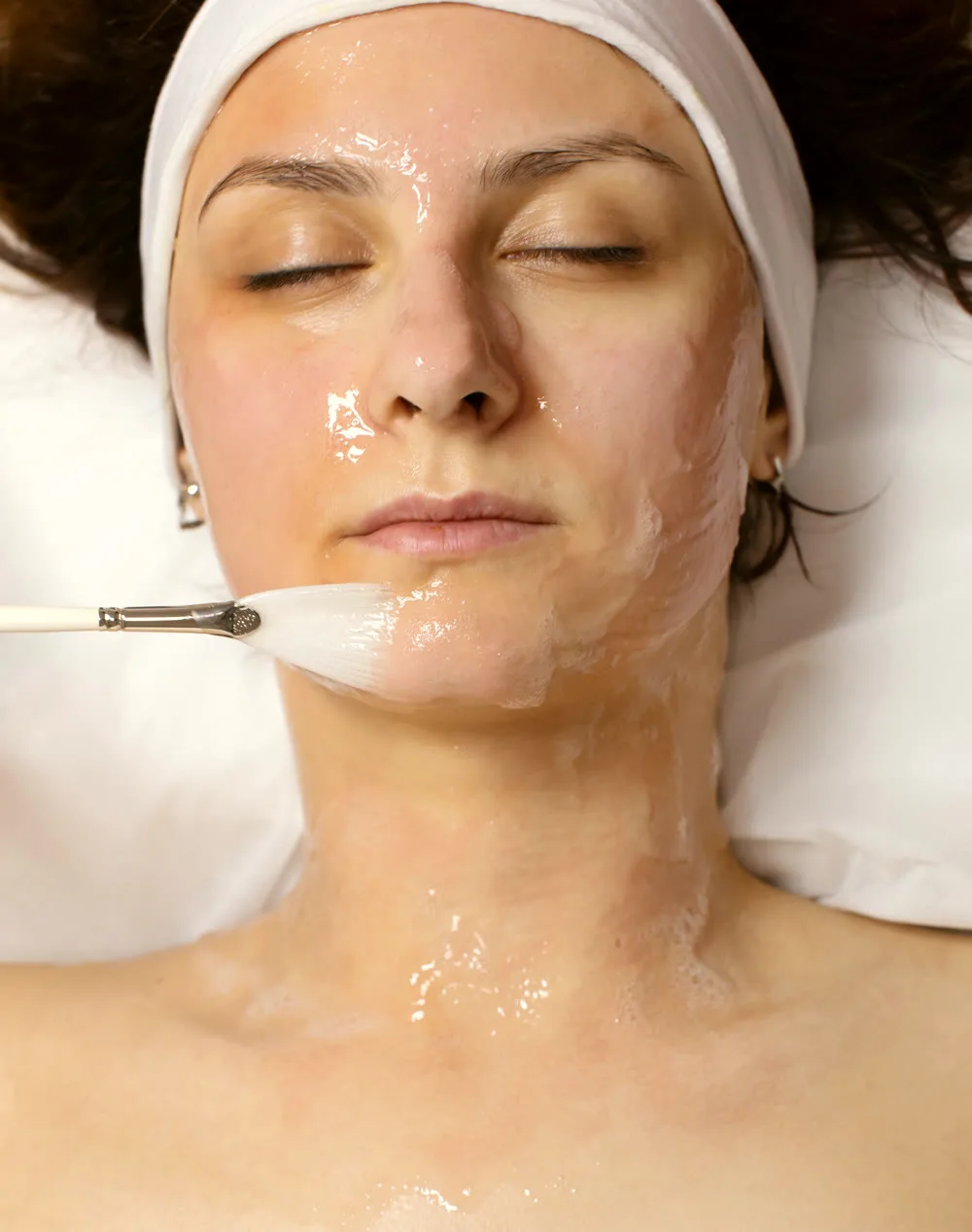
VI Peel vs Perfect Derma Peel: which chemical peel is right for you
By the Estetika Med Spa · · 5 min read
VI Peel and Perfect Derma Peel are both medium-depth chemical peels that target uneven tone, fine lines, and mild acne scarring. The main difference is formulation: VI Peel uses a blend that includes TCA, salicylic acid, and vitamins, while Perfect Derma Peel adds glutathione as its signature brightening agent. Which one works better depends on your skin type, tone, and specific concerns, not on one peel being objectively superior.
If you have been researching VI Peel vs Perfect Derma Peel, you have probably noticed that both are described in nearly identical terms: medium-depth, minimal downtime, good for tone and texture. The comparison matters because the right peel depends on what your skin actually needs, and choosing based on a brand name alone can lead to a result that falls short.
What makes these two peels different
Both peels use trichloroacetic acid (TCA) as a base, which is what gives them their medium-depth reach. The difference is in what each formula adds around that base.
VI Peel combines TCA with salicylic acid, phenol, retinoic acid, and vitamin C. The salicylic acid component makes it particularly useful for oily and acne-prone skin because it penetrates the pore lining. Retinoic acid accelerates cell turnover during the healing phase.
Perfect Derma Peel uses a similar TCA foundation but adds glutathione, kojic acid, and vitamin C. Glutathione is an antioxidant that works at the cellular level to slow melanin synthesis. According to the American Academy of Dermatology, melanin overproduction drives most forms of hyperpigmentation, which is why this ingredient is relevant for patients with melasma or post-inflammatory darkening.
The practical result: VI Peel tends to address fine lines, rough texture, and acne scarring. Perfect Derma Peel tends to focus on brightening and pigmentation correction.
How the treatment experience compares
Both peels are applied in a single in-office session that typically takes under an hour. The skin is cleansed, the solution is applied in layers, and a post-peel kit is sent home with the patient for aftercare.
The sensation during application is described by most patients as a mild burning that fades within minutes. Neither peel requires anesthesia.
Peeling itself begins around day two or three for most people and continues through day five to seven. The skin sheds in sheets rather than flaking, and the new layer underneath tends to look noticeably smoother and more even. Sun avoidance during the healing window is non-negotiable for both peels, particularly for darker skin tones where UV exposure during recovery can trigger new pigmentation.
At Estetika, we don’t choose a peel based on what is trending. We choose based on what the skin in front of us actually needs.
Which skin concerns each peel addresses
Understanding what each formula targets helps clarify when one makes more sense than the other.
VI Peel is frequently used for:
- Active acne and post-acne marks
- Fine lines and early signs of skin aging
- Rough or uneven texture
- Mild hyperpigmentation on lighter skin tones
Perfect Derma Peel is frequently used for:
- Melasma and stubborn discoloration
- Post-inflammatory hyperpigmentation, particularly in medium to deeper skin tones
- Dullness and overall uneven tone
- Cases where brightening is the primary goal
These are tendencies, not rules. A patient with melasma and active acne may need a different approach entirely, which is why a provider assessment matters.
Skin tone and why it changes the equation
Fitzpatrick skin types IV through VI, which include medium brown, dark brown, and deeply pigmented skin, respond differently to chemical peels than lighter tones. Darker skin has a higher density of melanocytes, the cells that produce pigment, and those cells are more reactive to trauma, including the controlled trauma of a chemical peel.
The Cleveland Clinic notes that post-inflammatory hyperpigmentation is more common in patients with deeper skin tones, and that the risk increases when a peel is applied without accounting for this. Perfect Derma Peel’s glutathione content is one reason it tends to be the choice for medium to deeper tones: it works to counteract melanin overproduction during the healing process.
VI Peel is generally considered appropriate across Fitzpatrick types I through IV, with more caution in types V and VI. If you have a medium or deep skin tone, this distinction should be part of your consultation conversation.
What neither peel resolves
Both peels improve the surface of the skin. Neither one addresses volume loss, deep structural wrinkles, or laxity. A patient who wants to reduce a deep nasolabial fold or lift sagging skin will not find the answer in a chemical peel, regardless of which formula is used.
Peels are also not appropriate for patients with active cold sores, certain autoimmune conditions, or those who have used isotretinoin within the past year. The U.S. Food and Drug Administration has noted that retinoids increase skin sensitivity, and that timing matters when planning any resurfacing treatment.
If your primary concern is something a peel cannot address, our skin treatments page lists the full range of options available at Estetika so you can come to your consultation with a clearer picture.
How results tend to develop over time
After the peeling phase resolves, most patients notice an improvement in tone and texture within two weeks. Hyperpigmentation, particularly melasma, tends to respond over several weeks as the new skin layer settles.
A single session produces visible results for many patients. A series of two to three sessions, spaced four to six weeks apart, tends to produce more consistent outcomes for deeper discoloration or more textured skin. How much improvement occurs depends on the starting condition of the skin, the depth of the concern, and how well post-care is followed.
Neither peel produces lasting results on its own. Skin continues to age, and environmental factors like sun exposure continue to affect pigmentation. Maintenance sessions are common for patients managing melasma or ongoing acne. You can also ask about our membership options if you are planning more than one session over the year.
Before you decide
The VI Peel vs Perfect Derma Peel question is worth asking, and it is worth asking in person, with a provider who can look at your skin under proper lighting and ask about your history. Factors like prior treatments, current skincare products, and recent sun exposure all affect which peel is appropriate and when.
If you are ready to get a clear answer for your specific skin, book a consultation at Estetika and we will walk through the options with you directly.
Frequently asked questions
What is the main difference between VI Peel and Perfect Derma Peel?
The core difference is the active ingredient blend. Perfect Derma Peel includes glutathione, an antioxidant that targets hyperpigmentation from the inside of the cell. VI Peel relies on a TCA-and-salicylic-acid base with added vitamins. Both are medium-depth peels, but they tend to suit different skin concerns and tones.
Which peel is better for dark spots and melasma?
Perfect Derma Peel is often chosen for hyperpigmentation and melasma because glutathione works to reduce melanin production. VI Peel also addresses uneven tone, but its formula is more frequently used for acne-prone or aging skin. A provider who can assess your Fitzpatrick skin type will give you the most accurate recommendation.
How long does peeling last after either treatment?
For most people, visible peeling begins around day three and continues through day five to seven. The timing varies by skin type and how deep the peel penetrates. Sun exposure, hydration, and how well post-care instructions are followed all affect how the skin sheds.
Can I get a VI Peel or Perfect Derma Peel if I have sensitive skin?
Both peels can be used on sensitive skin, but they require careful assessment beforehand. Certain active ingredients in each formula may cause more irritation in reactive skin types. A consultation is the only way to know which peel, or whether any peel at all, is appropriate for your current skin condition.
How many sessions do I need to see results?
Many patients notice visible improvement after a single peel, though a series of two to three sessions spaced several weeks apart tends to produce more consistent results for deeper discoloration or scarring. The number of sessions depends on the concern being treated and how the skin responds to the first treatment.
Sources
Educational content. It does not replace a medical consultation at Estetika Med Spa.
Keep reading
Where to have it done in South Florida
Estetika is at 400 E Hallandale Beach Blvd, Hallandale Beach, Florida, 8 minutes from Aventura. Many patients also drive in from Hollywood, 11 minutes away. Consultations are in English or Spanish.